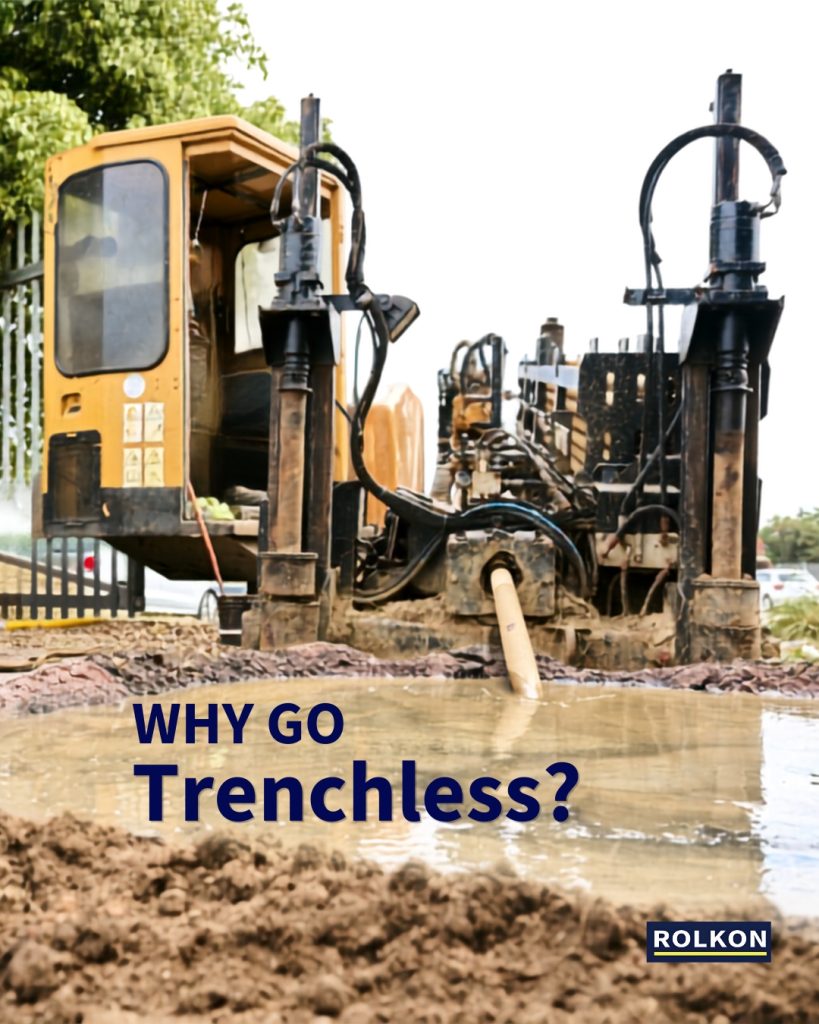
Why Go Trenchless?
The true cost of an underground infrastructure project extends well beyond the installation itself.
In active urban and built environments, conventional open excavation can bring additional costs and consequences: roads and pavements need to be reinstated, traffic needs to be managed, construction can affect surrounding businesses and communities, and open trenches can increase safety exposure and extend the project footprint. This is where trenchless construction can change the equation.
For water, sewer, stormwater, electrical and fibre infrastructure, the decision about how that infrastructure is delivered can have an impact on the cost, risk, time and disruption associated with the entire project.
The Benefits of Trenchless Construction
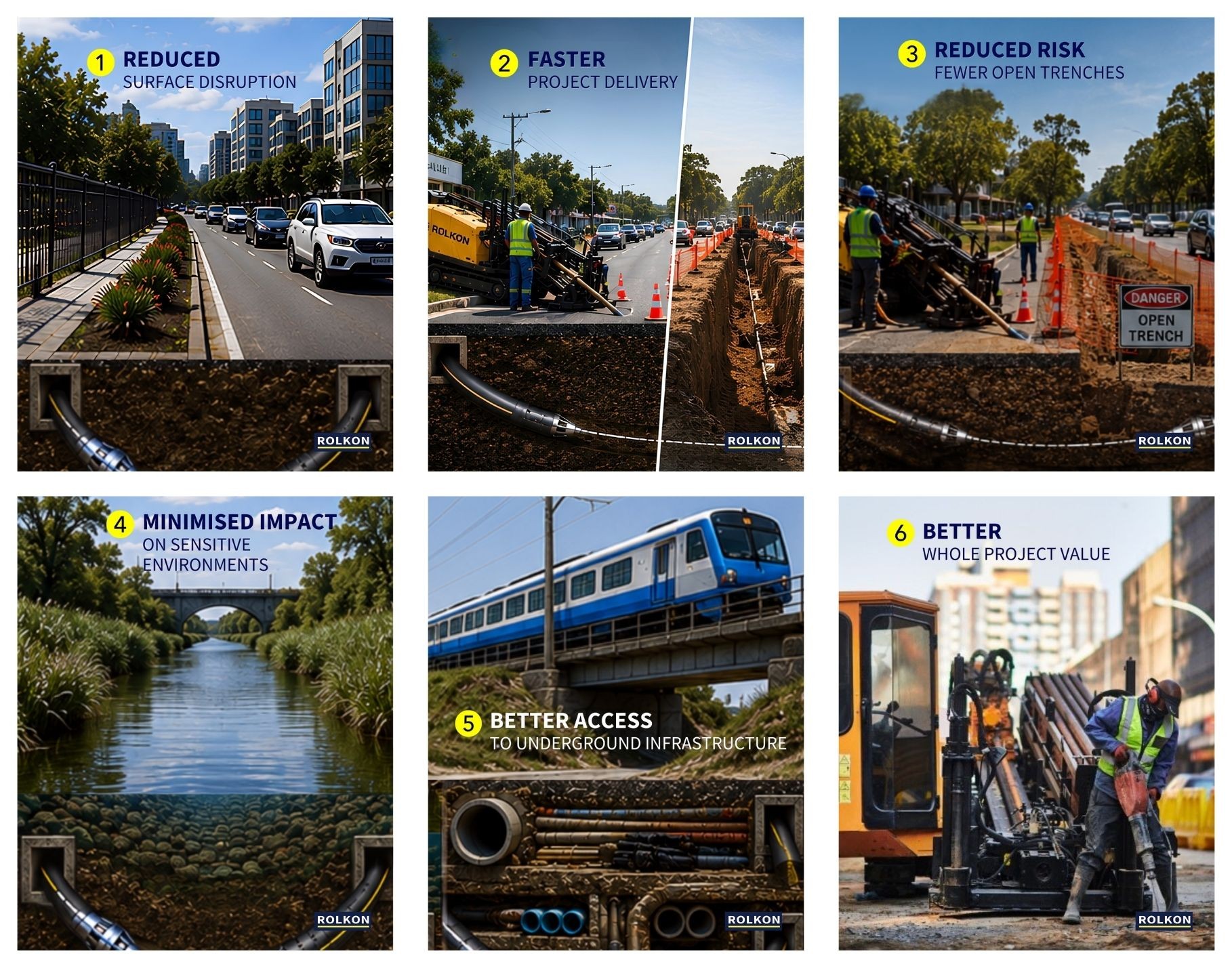
Reduced Surface Disruption
By limiting the need for extensive excavation, trenchless construction can allow underground infrastructure to be installed or replaced while reducing disruption to roads, pavements and other surface environments. This is particularly valuable in busy urban areas where maintaining access and movement during construction is important.
Faster Project Delivery
Open trenching involves more than excavation. Roads and other surfaces need to be opened, managed and reinstated. Reducing the amount of excavation and reinstatement required shortens the overall construction programme and reduces the period of disruption surrounding the project.
Whole-Project Value
Comparing trenchless and conventional construction on installation cost alone doesn’t reveal the full cost of delivering a project. A broader assessment however considers factors such as:
- Excavation and reinstatement
- Traffic and access management
- Construction time
- Disruption to surrounding businesses and communities
- Safety and project risk
- Environmental impact
When these indirect and lifecycle considerations are included, trenchless construction can offer greater whole-project value.
Reduced Open-Trench Risk
Open excavations introduce additional safety and operational considerations for construction teams, pedestrians, road users and surrounding communities. Reducing the extent of open trenching can help reduce this exposure while also limiting the physical footprint of construction.
Minimal Impact on Sensitive Environments
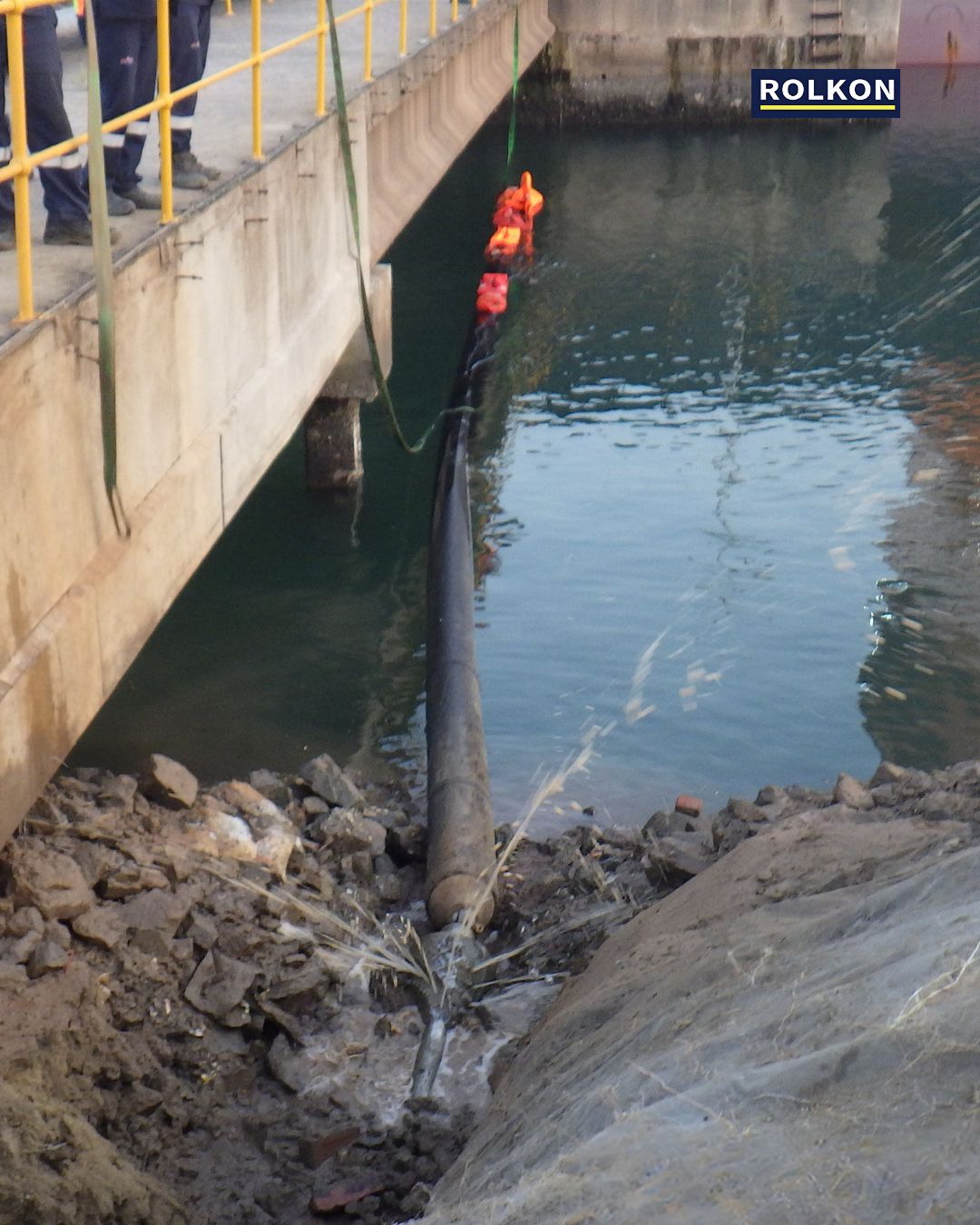
Underground infrastructure does not only pass beneath roads and built environments. It may also need to cross rivers, wetlands and other environmentally sensitive areas. Trenchless methods can enable infrastructure to pass beneath these environments with significantly less disturbance at the surface.
Access to Difficult-to-Reach Infrastructure
Depth, existing development, roads, railways, waterways and other physical constraints can make conventional excavation difficult or highly disruptive. Trenchless construction provides an alternative way to access, install or replace underground infrastructure.
Look Beyond the Bore
The question when considering trenchless construction shouldn’t simply be: What does it cost to drill?
It should be: What does it cost to deliver the entire project?
When trenchless construction is assessed across the whole project; reinstatement, disruption, environmental impact, safety, risk and time; its value can extend far beyond the bore itself.
For South Africa’s growing infrastructure requirements and ageing underground networks, that broader assessment matters.